
What is septorhinoplasty
Septorhinoplasty combines two operations: septoplasty, which straightens the nasal septum, the inner wall of bone and cartilage that divides the two nostrils, and rhinoplasty, which improves the outer shape of the nose. It is functional and cosmetic surgery together.
When the turbinates, the internal structures that warm and humidify the air, are also permanently enlarged, the surgeon can reduce them in the same operation: this is known as septorhinoplasty with turbinate reduction.
If you have chronic sinusitis or nasal polyps, the operation can be combined with FESS, functional endoscopic sinus surgery, which reopens the drainage pathways of the sinuses. This is decided only after a precise diagnosis.
Possible combinations
Septorhinoplasty with turbinate reduction
Correction of the septum, reduction of enlarged turbinates and cosmetic reshaping of the nose, in the same operation.
Septorhinoplasty with turbinate reduction and FESS
Endoscopic sinus surgery is added to the functional and cosmetic correction, indicated for chronic sinusitis or polyps confirmed by tests.
How the operation is done
Before deciding, the surgeon assesses your breathing and the inside of your nose. If the sinuses may be involved, a CT scan may be requested: it is the test that shows whether FESS is really useful.
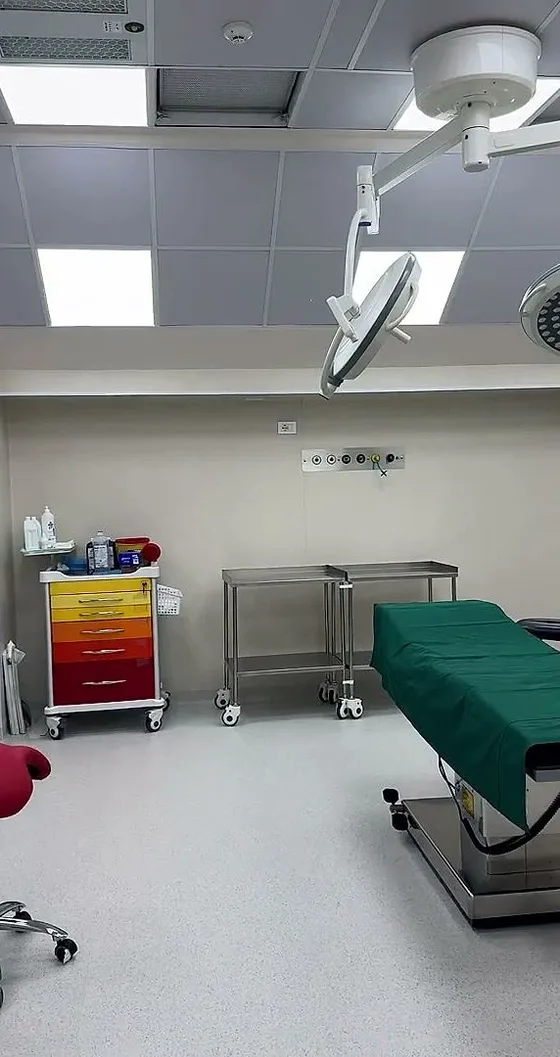
During the operation, under general anaesthetic, the surgeon straightens or reshapes the deviated part of the septum while keeping the support the nose needs. Enlarged turbinates are reduced with techniques that protect the lining of the nose. Then comes the cosmetic part: bridge, tip, nasal bones.
FESS, when planned, is carried out with an endoscope, a thin camera passed through the nostrils, with no external incisions. At the end, the surgeon places internal supports and an external thermoplastic splint.