
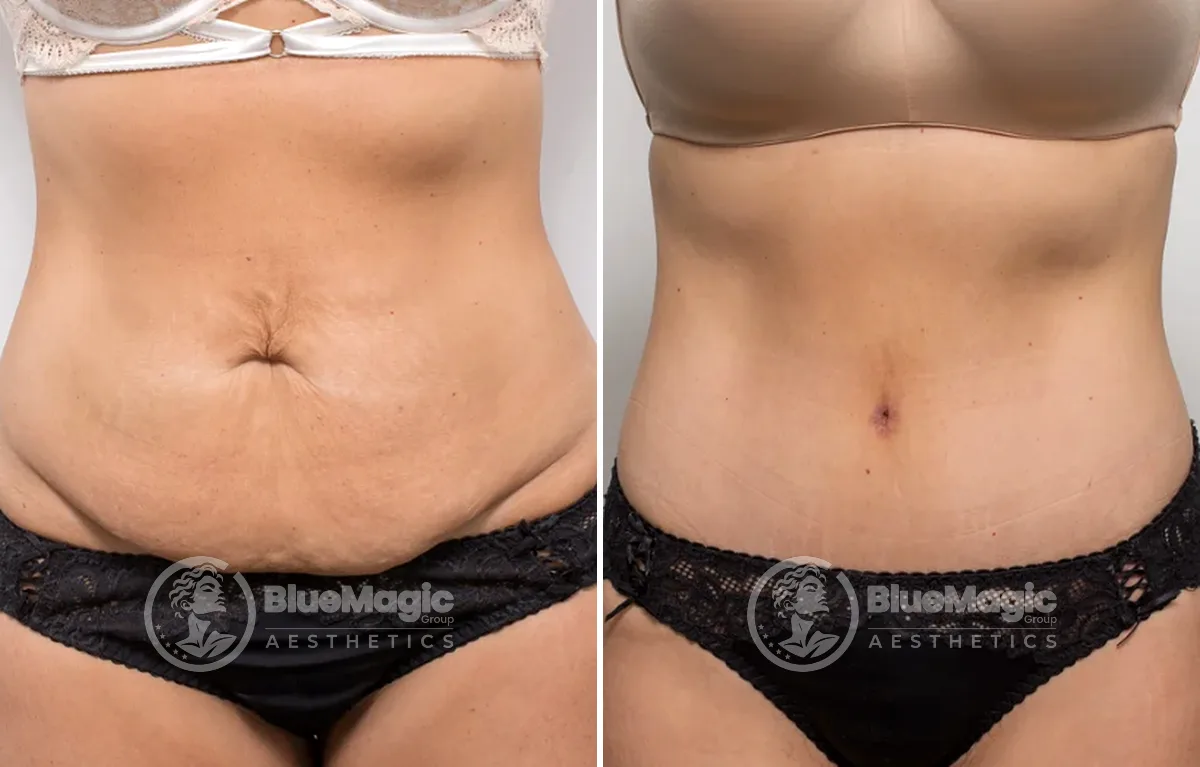
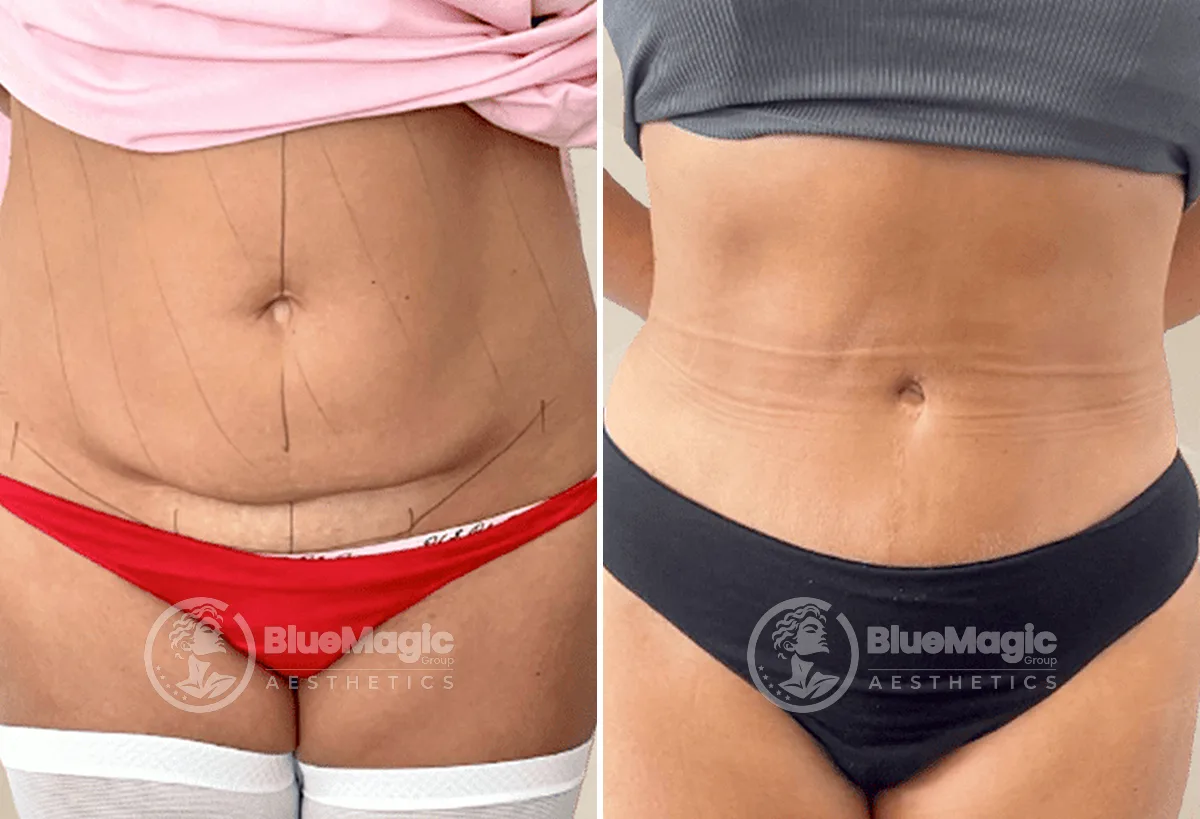
What is a tummy tuck
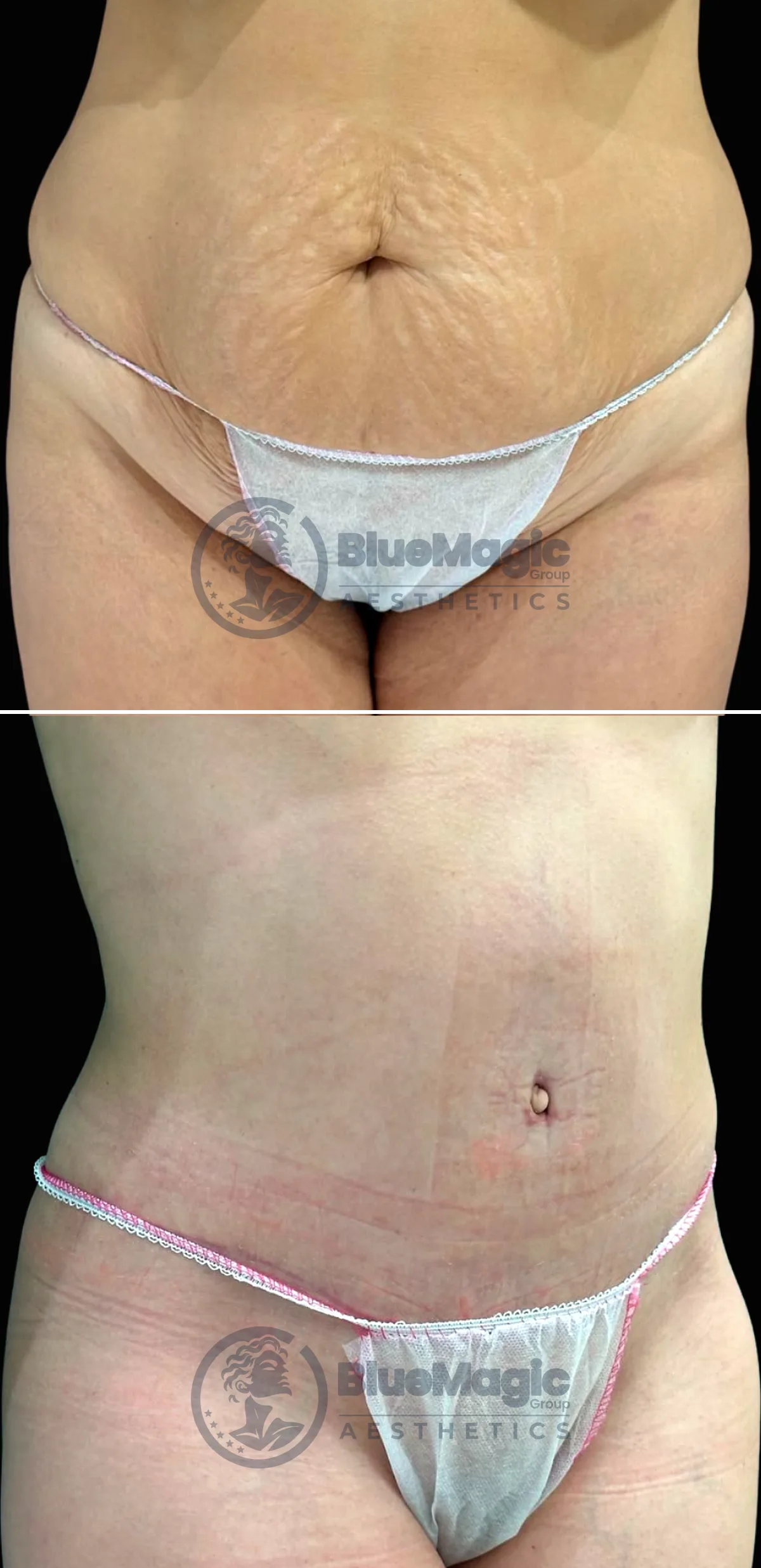
A tummy tuck, or abdominoplasty, is the operation that reshapes the abdomen when the skin is loose and in excess, often after pregnancy or major weight loss. The surgeon removes skin and fat below the belly button, draws the remaining skin downwards and repositions the belly button.
After pregnancy, the long vertical stomach muscles can stay apart: this is called diastasis recti.
During a full tummy tuck the surgeon can bring them back together with stitches, for a firmer abdominal wall.
The scar sits low, above the pubic area, from hip to hip, and is designed to stay hidden by underwear or swimwear. Unlike liposuction, a tummy tuck also treats the skin: that is the main difference between the two operations.
Types of tummy tuck
Mini tummy tuck
Removes a limited amount of skin below the belly button, with a shorter scar. The belly button is usually not moved. It suits you when the excess skin is modest.
Full tummy tuck
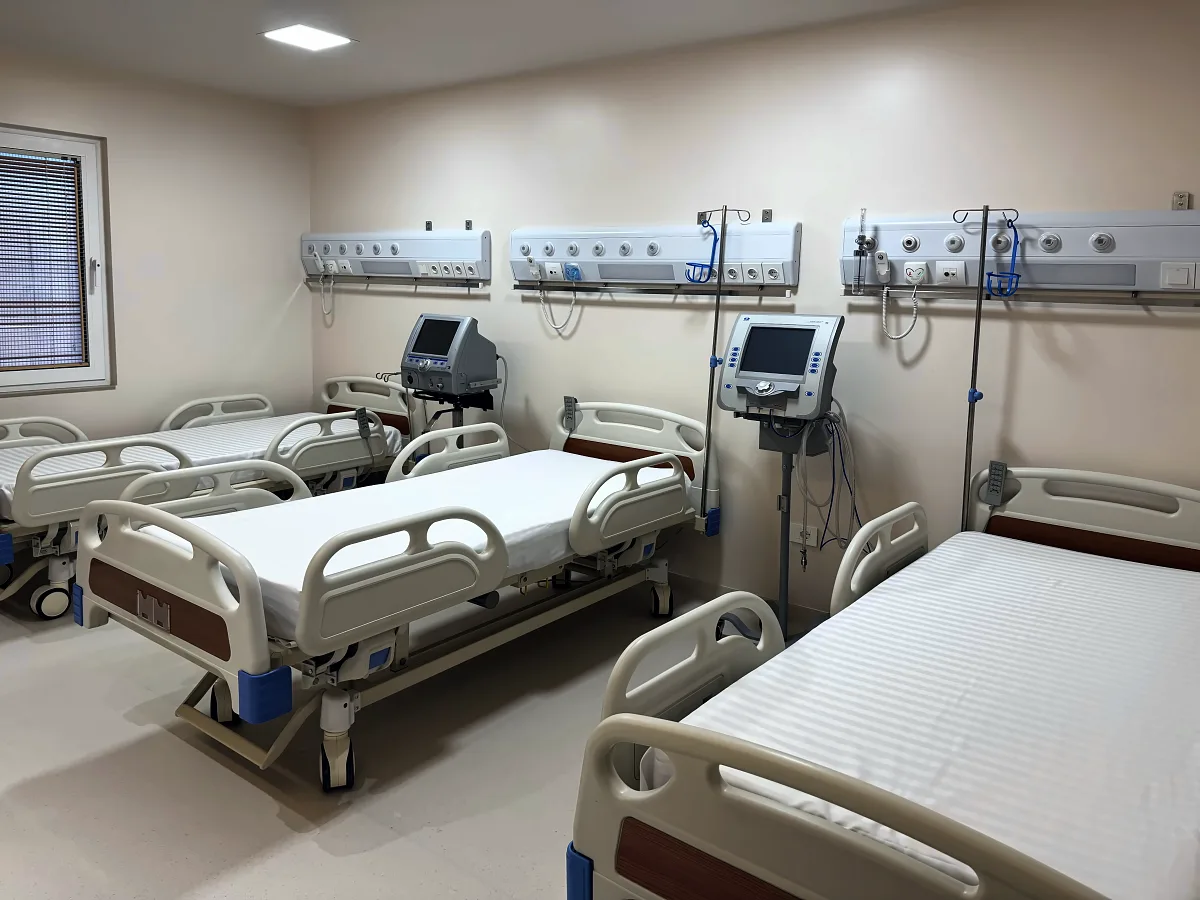
Removes the excess skin below the belly button, repositions the belly button and, if needed, repairs separated stomach muscles. It takes 3–4.5 hours, with 2 nights in hospital.
Vaser liposuction with a tummy tuck
Liposuction of the flanks or other areas completes the reshaping of the waist. It involves 2 nights in hospital.
4D liposuction with a tummy tuck
Combines high-definition liposculpture with radiofrequency and a tummy tuck, for people who want a more defined outline.
How the operation is done
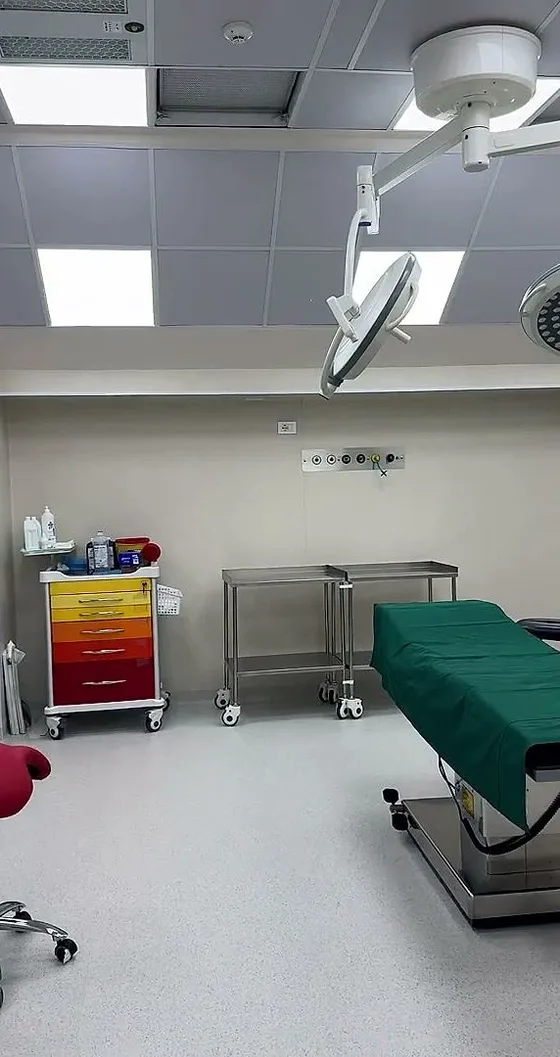
The operation is done under general anaesthetic. The surgeon makes a low incision from hip to hip, lifts the skin up to the ribs and, if the muscles have separated, brings them back together with stitches.
They then draw the skin downwards, remove the excess and create a new opening for the belly button, which stays attached at its base. If planned, liposuction of the flanks or other areas is done in the same operation.
At the end, drains are placed, which come out between days 4 and 5, and you put on the compression garment. In the first few days you will walk slightly bent forward, so as not to put tension on the wound.