
What is a facelift
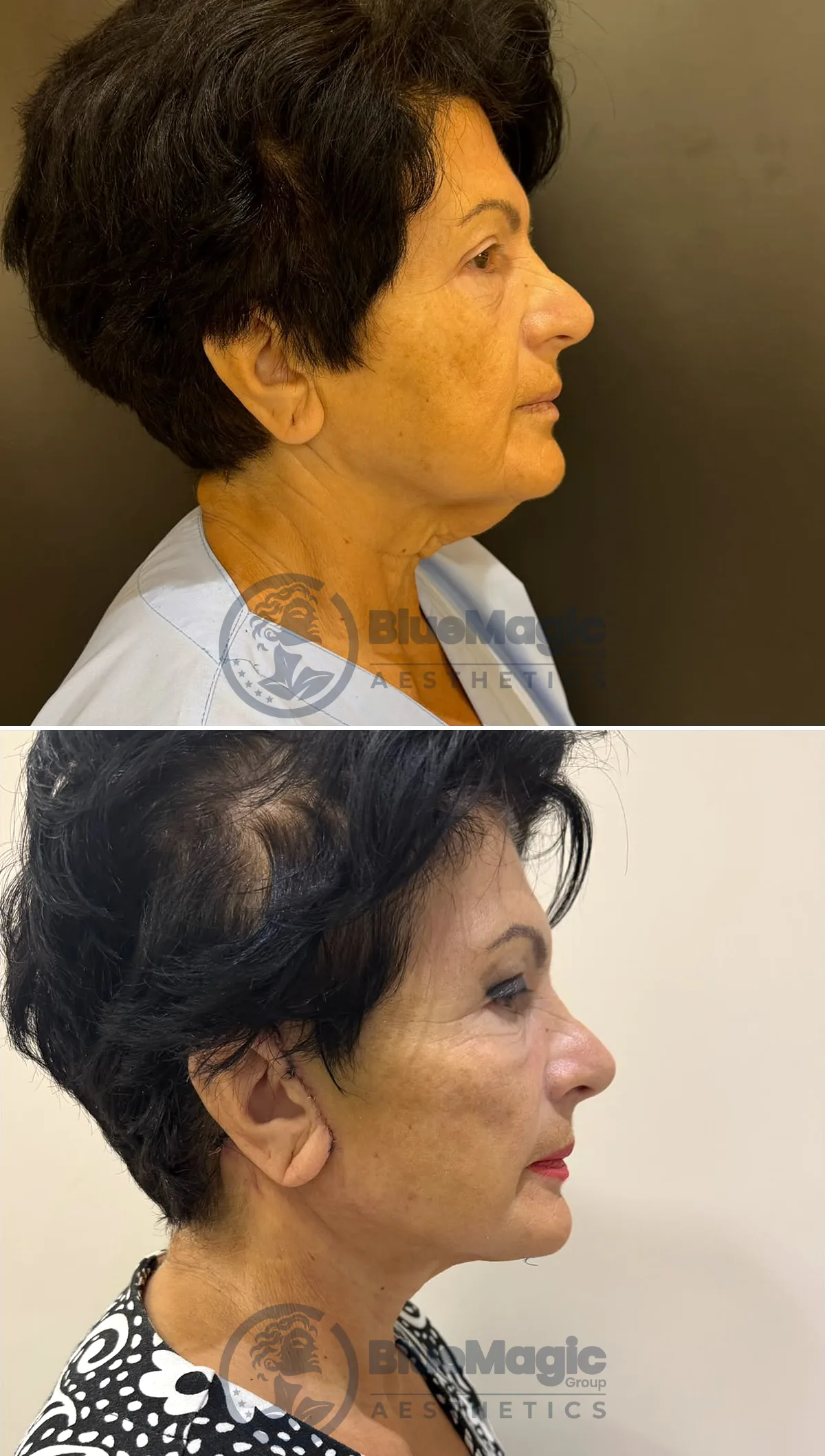
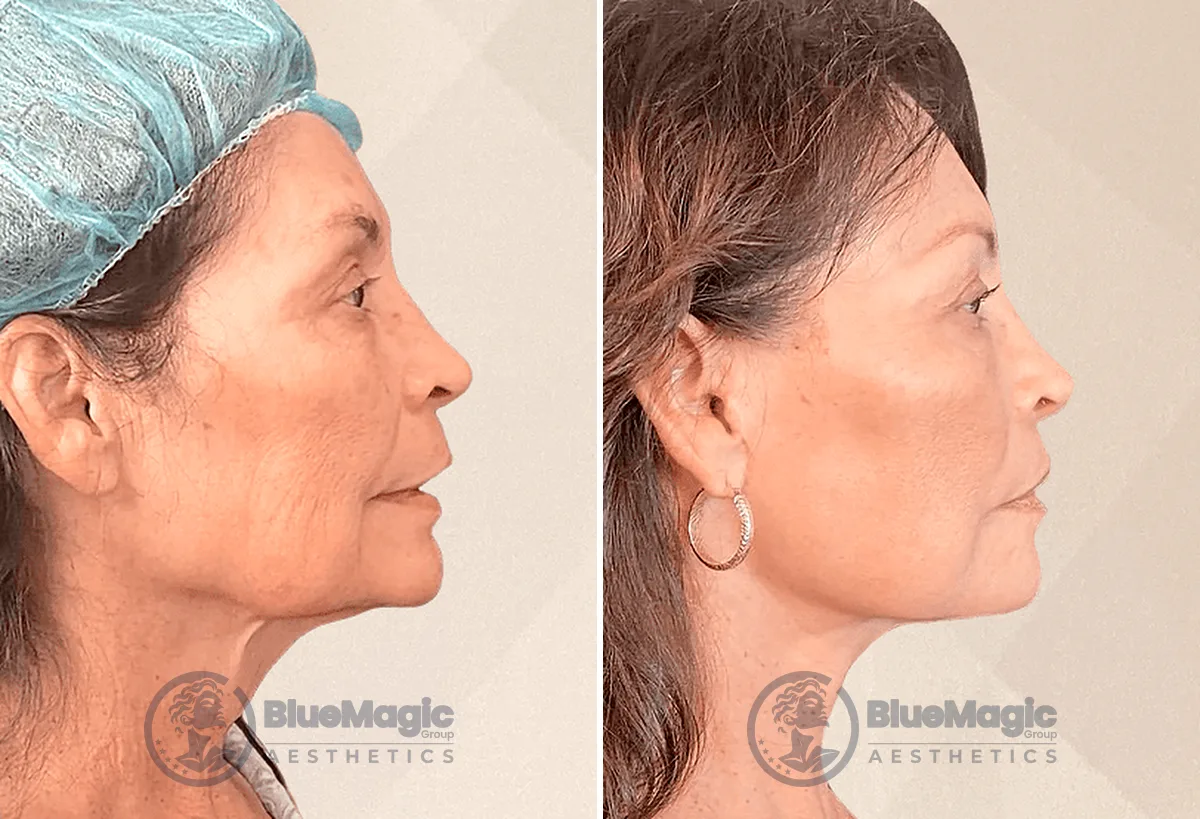
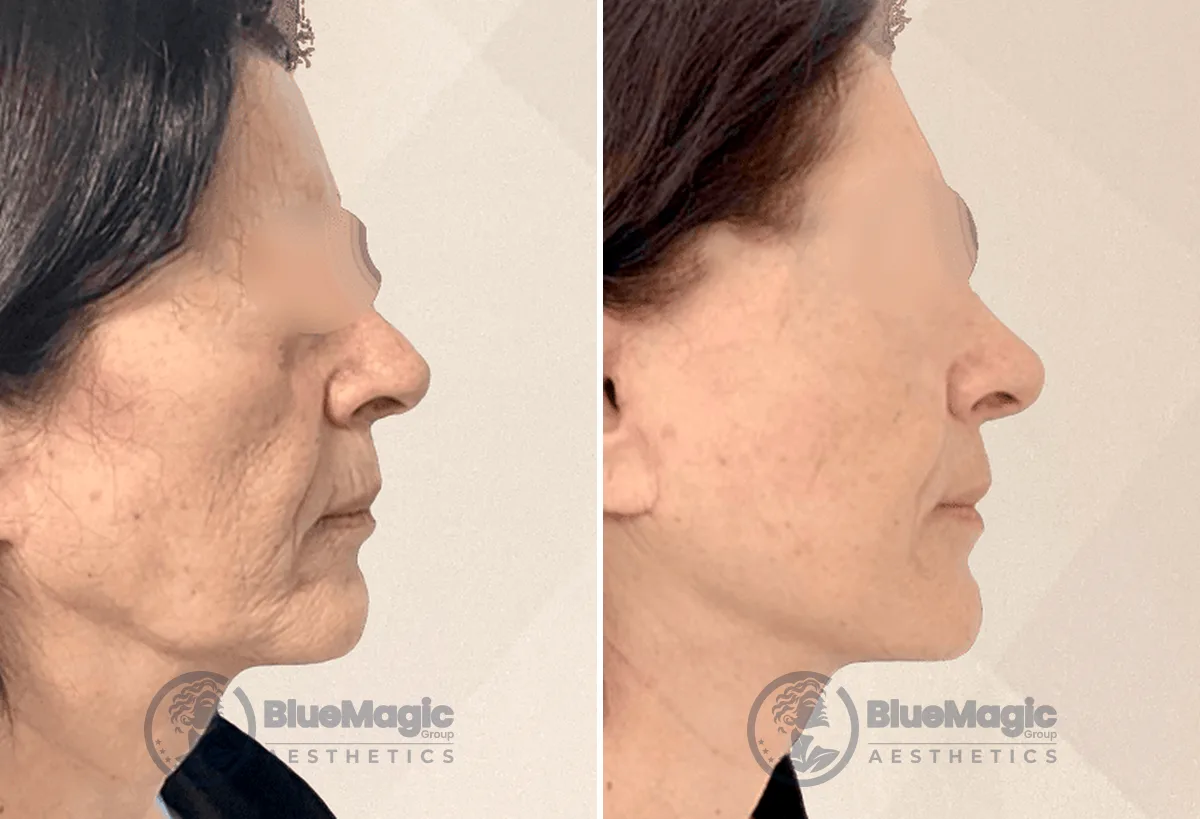
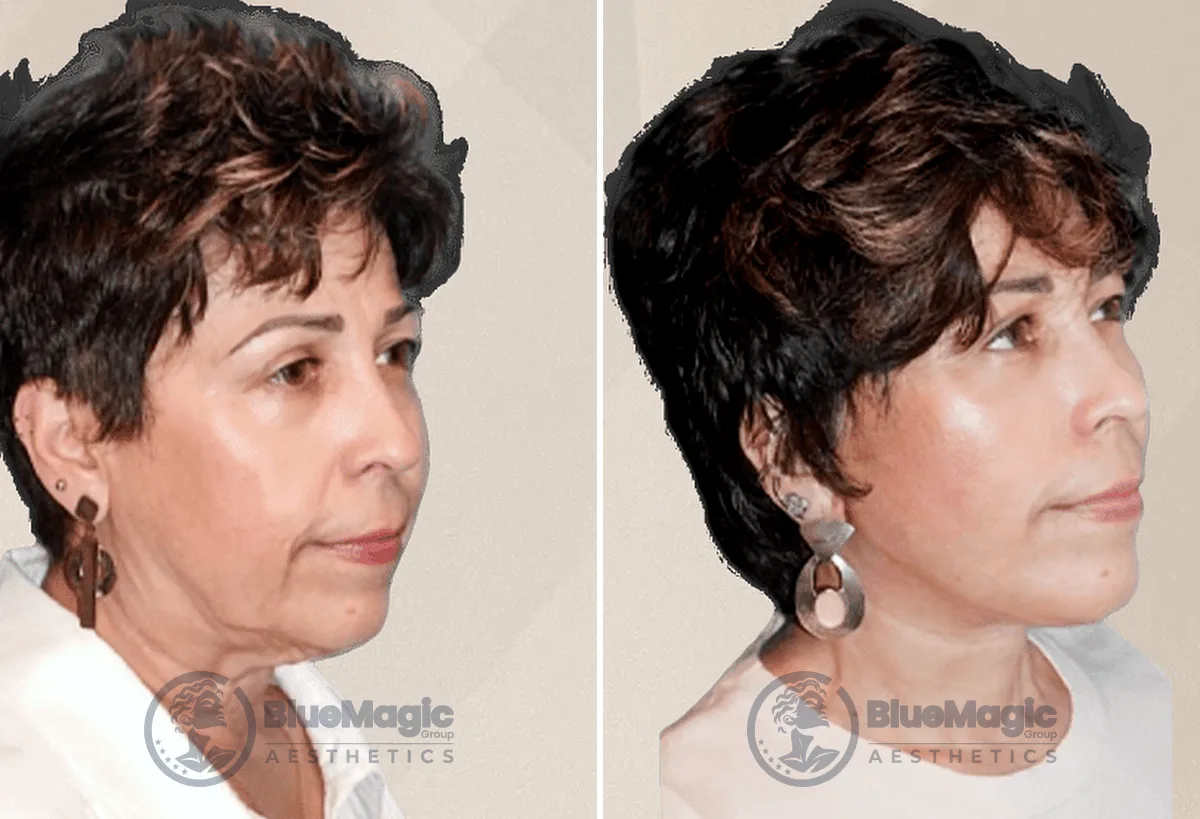
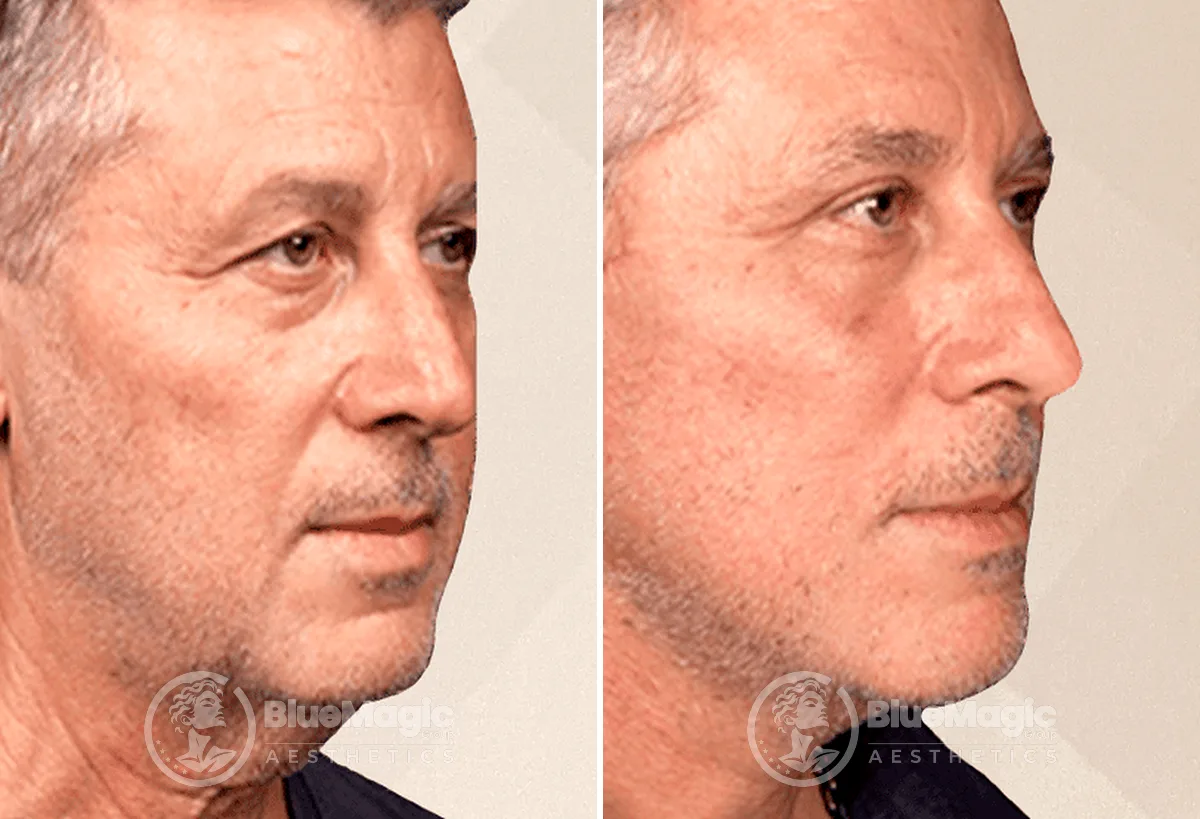
Over the years skin loses elasticity, the deeper tissues descend and facial fat moves downwards. The cheeks start to sag, the jawline becomes less defined and the neck slackens. A facelift works on exactly these changes.
A modern facelift does not simply “pull” the skin.
The surgeon repositions the layer of muscle and connective tissue beneath the skin, known as the SMAS, and only then removes the excess skin, without tension. This is what allows a more natural and longer-lasting result.
A facelift does not stop ageing, and it does not erase fine lines or expression lines in the skin: it improves the position of the tissues. To work on skin quality, aesthetic medicine treatments can be added at a later stage.
Types of facelift
Facelift
Repositions the tissues of the cheeks and jawline, with incisions hidden in front of and behind the ear.
Face and neck lift
Face and neck in the same operation, for people who also have a loose neck or a poorly defined angle between neck and jaw.
Secondary face and neck lift
For people who have had a facelift in the past. It is more complex because the surgeon works on tissues that have already been operated on, so it needs a careful assessment.
Face and neck lift with blepharoplasty
Eyelid surgery is combined with the face and neck lift, to refresh the eyes as well in a single operation.
Deep plane facelift
A technique that works in a deeper plane, described on its own page.
How the operation is done
At your consultation the surgeon assesses your face at rest and in movement, the quality of your skin, your neck and your medical history. Together you decide on the most suitable type of lift and which areas to treat.
The incisions usually start at the temple, within the hairline, run down in front of the ear following its natural creases and curve round behind the ear. The surgeon lifts the skin, repositions the SMAS and the deeper tissues, removes the excess skin and closes without tension. For the neck, a small incision under the chin may be added.
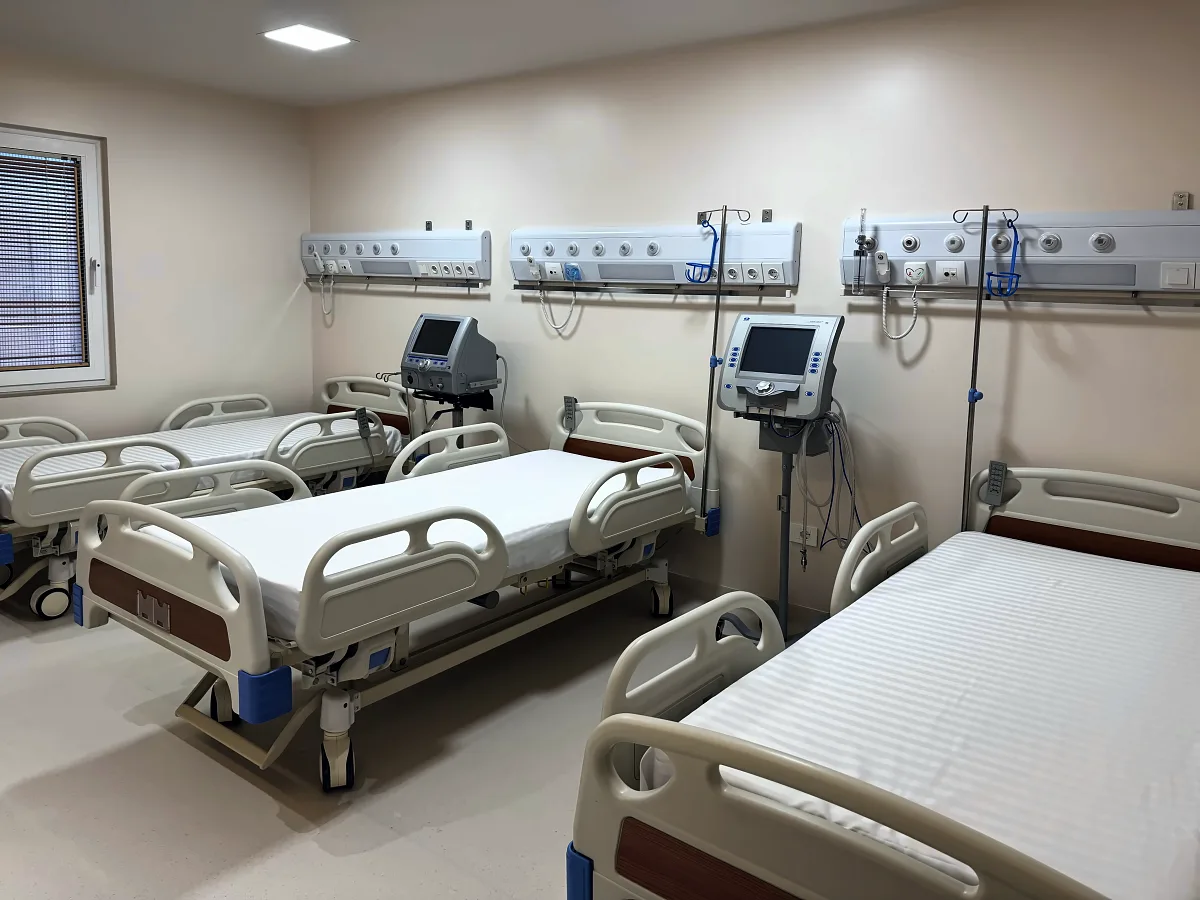
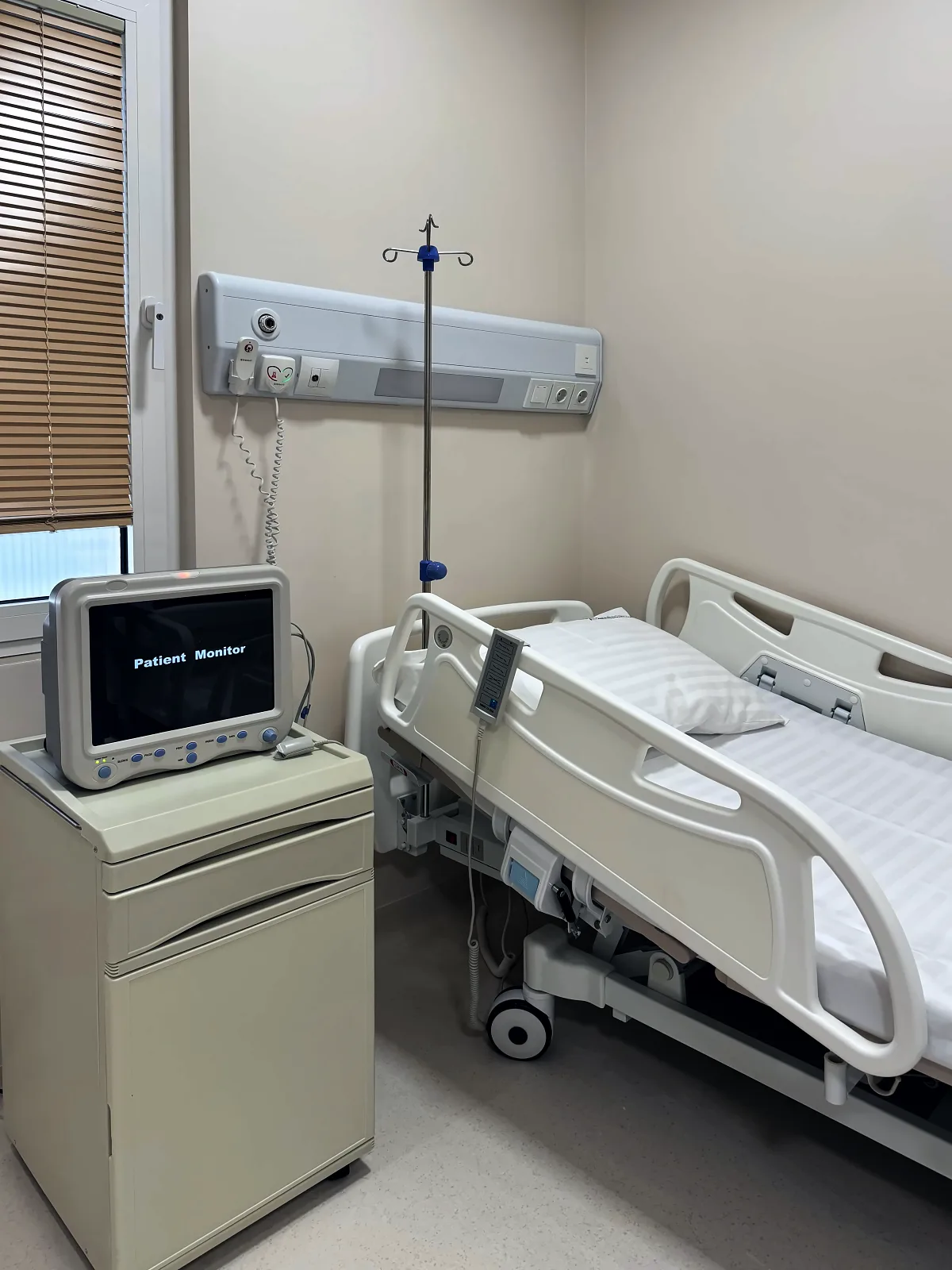
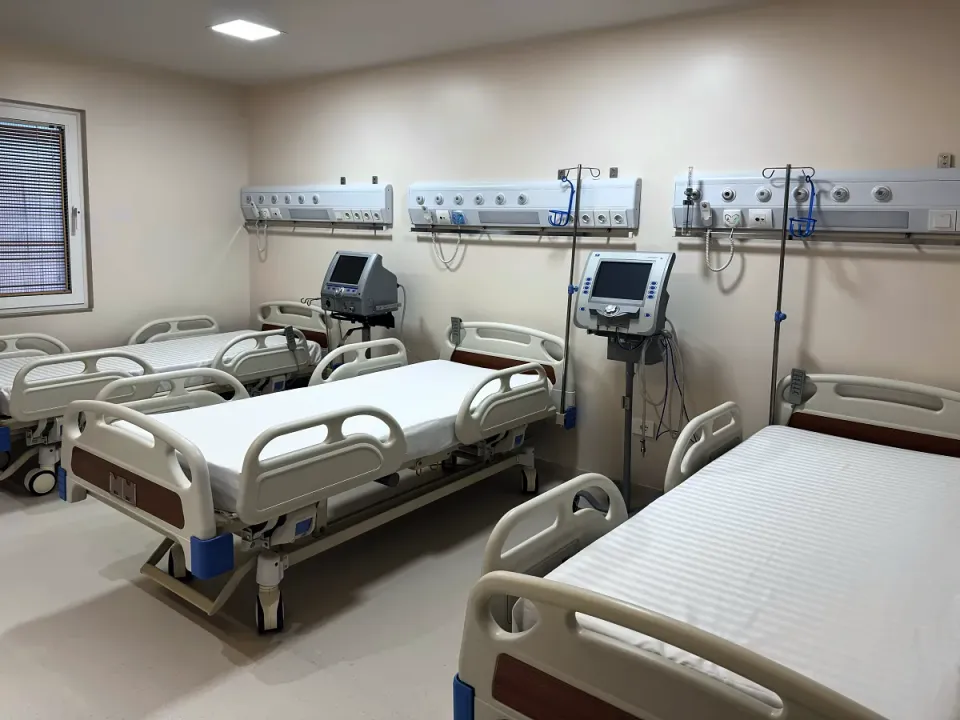
The operation usually takes 2.5–3.5 hours; it takes longer if blepharoplasty is combined. At the end, drains and a compression band are put in place, and you stay in hospital for 2 nights.