
What is a deep plane facelift
In the face, beneath the skin and the superficial fat, there is a layer called the SMAS, connected to the muscles of facial expression. A traditional facelift lifts the skin and then tightens or folds the SMAS. A deep plane lift instead goes beneath the SMAS and releases the ligaments that anchor the tissues to the facial bones.
Once released, skin, fat and SMAS move together, as a single unit, back in the direction they have descended over time.
This allows an effective correction of the mid-face, the nasolabial folds and the jawline, with less tension on the skin.
The extended version, the extended deep plane, takes the release further towards the cheekbones and the neck. No technique is best for everyone: the surgeon chooses according to your face, your age and the quality of your tissues.
Types of deep plane facelift
Extended deep plane facelift
Deep repositioning of the cheeks, jawline and neck, with the release extended towards the cheekbones.
Extended deep plane with temporal lift
A targeted temporal lift is combined with the deep plane facelift, to lift the tail of the eyebrow and the outer corner of the eye as well.
How the operation is done
At your consultation the surgeon assesses your bone structure, how your fat is distributed, and the quality of your skin and neck. They explain why they think a deep plane lift is suitable for you, or why it is not, and which areas they will treat.
The incisions are similar to those of a classic facelift: from the temple, in front of the ear and behind it, sometimes with a small incision under the chin for the neck. The surgeon goes beneath the SMAS, releases the retaining ligaments, repositions the tissues as one unit and secures them, then removes only the excess skin.
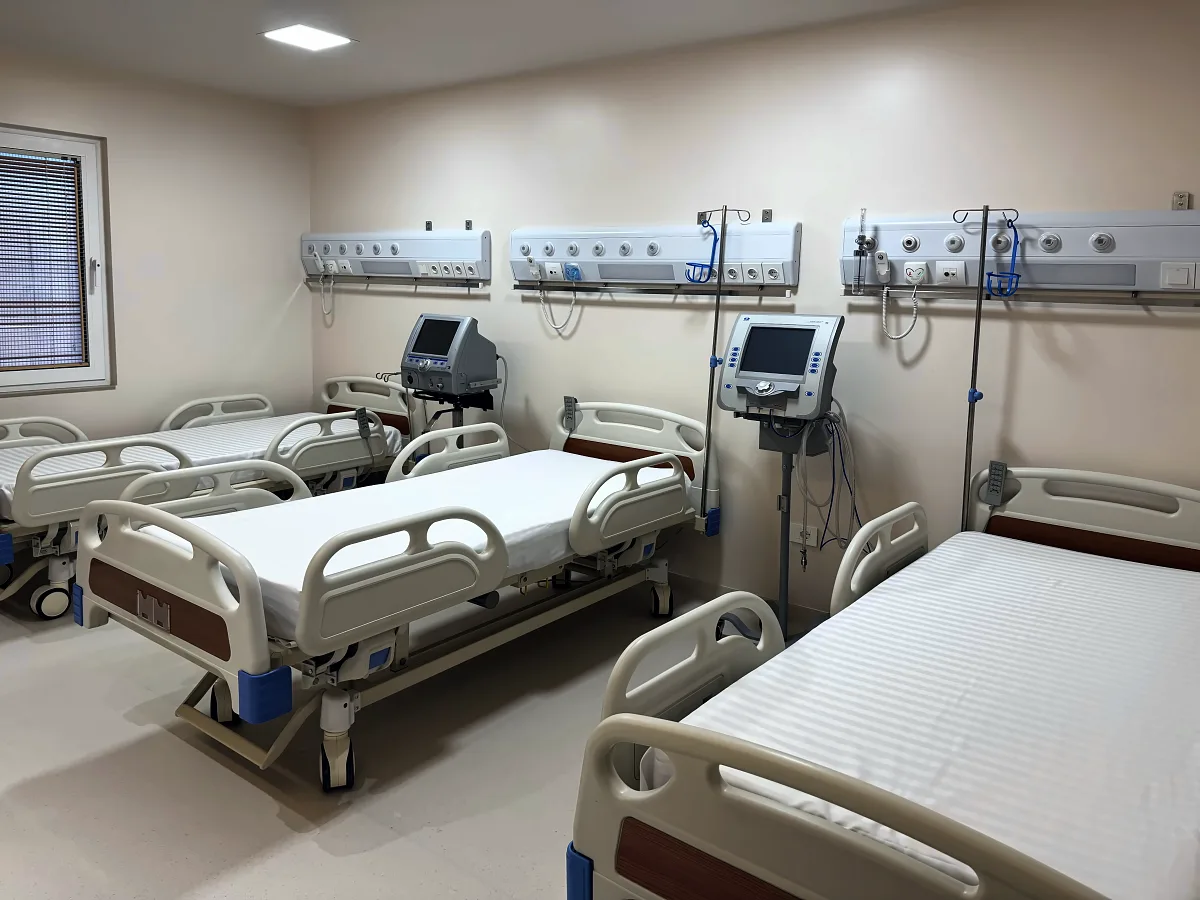
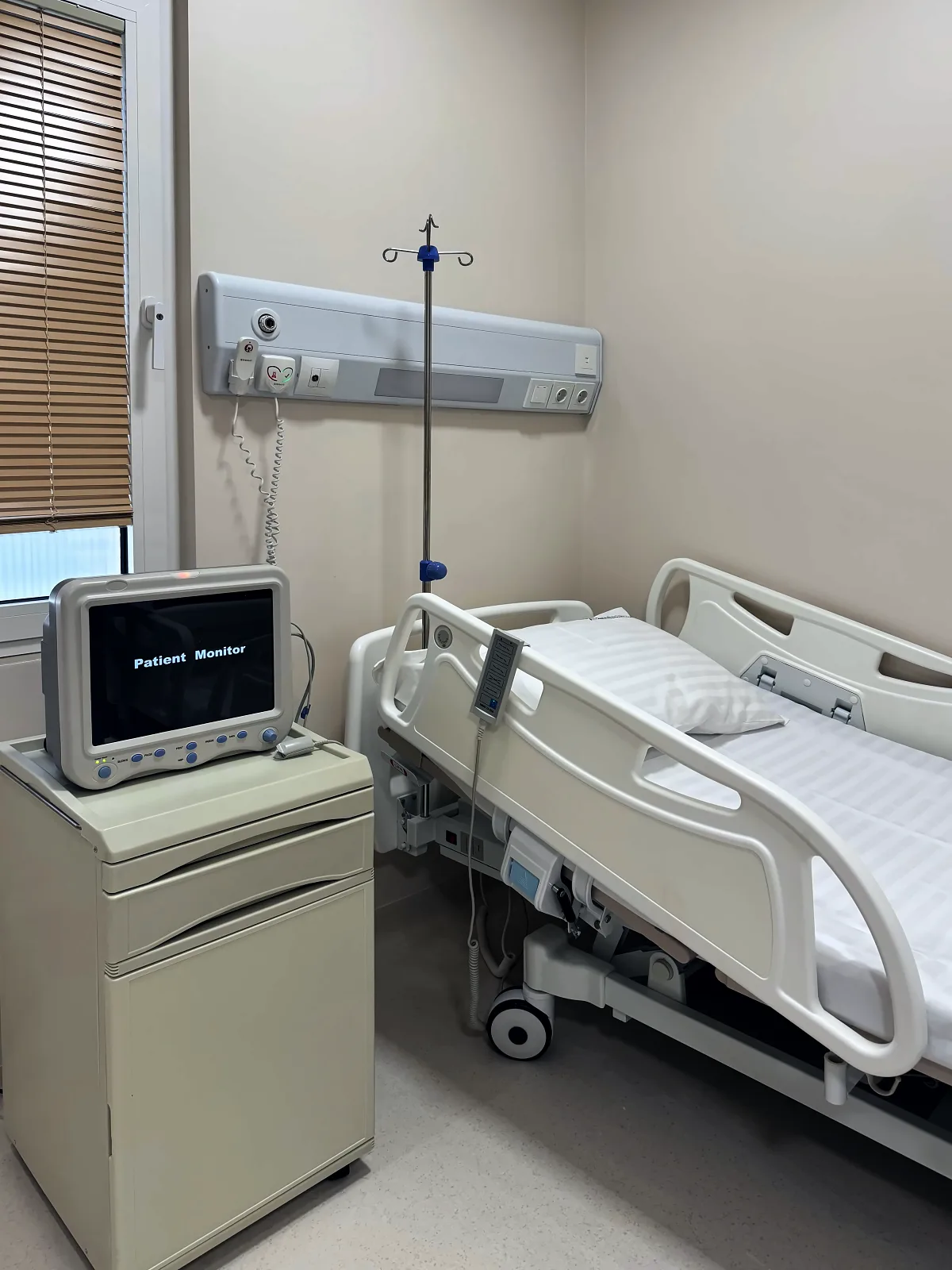
Because the work is deep, close to the branches of the facial nerve, the operation takes time and precision. At the end, drains and a compression band are put in place, and you stay in hospital for 2 nights.