

What breast augmentation is
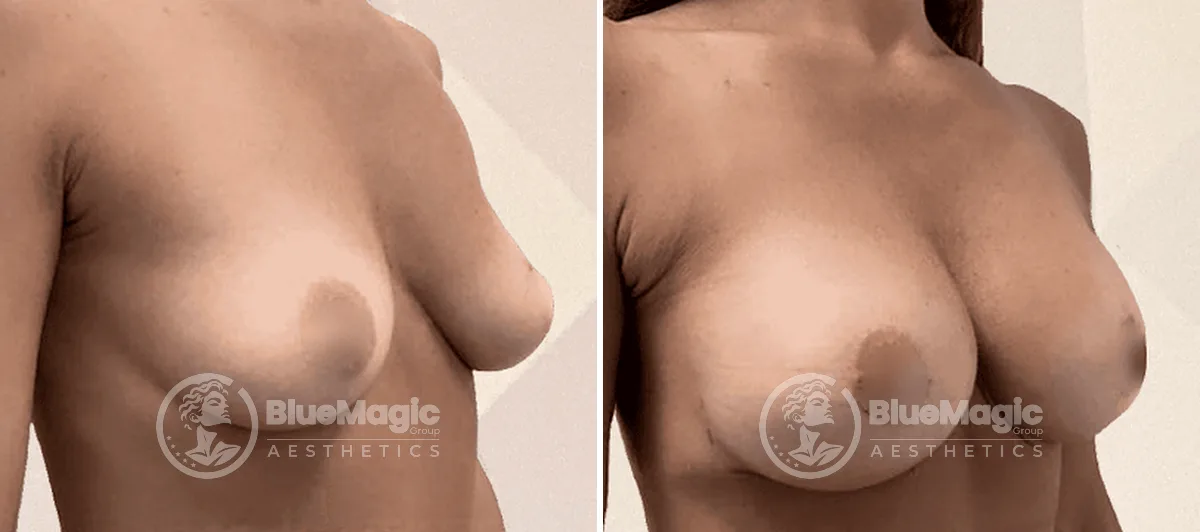
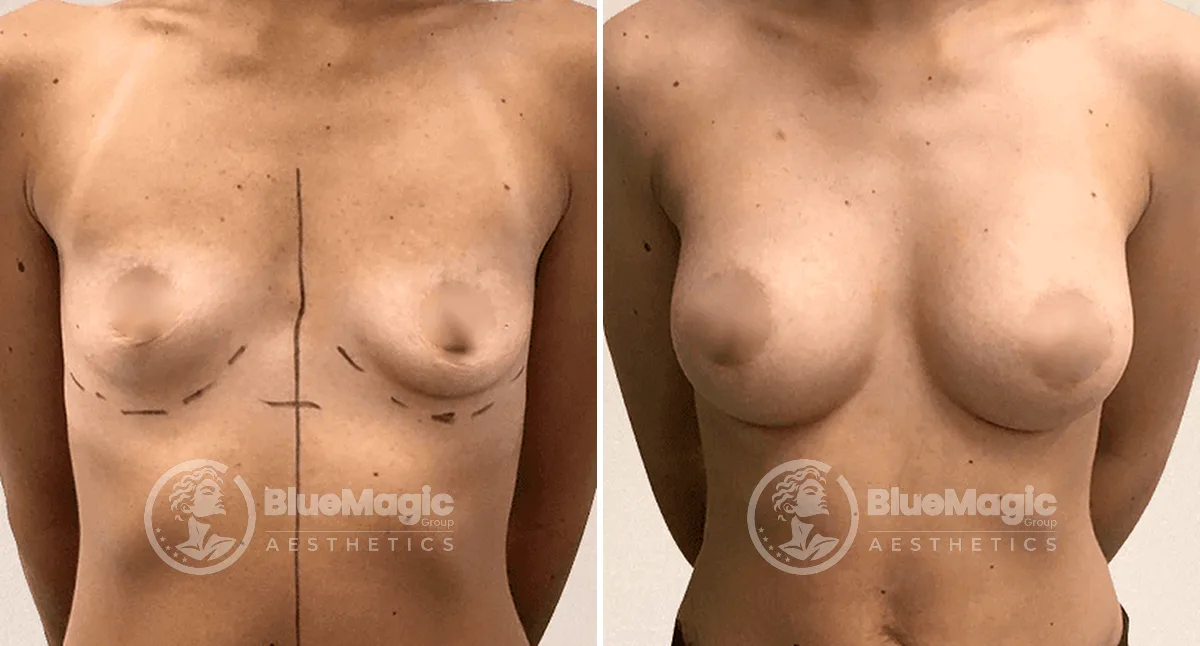
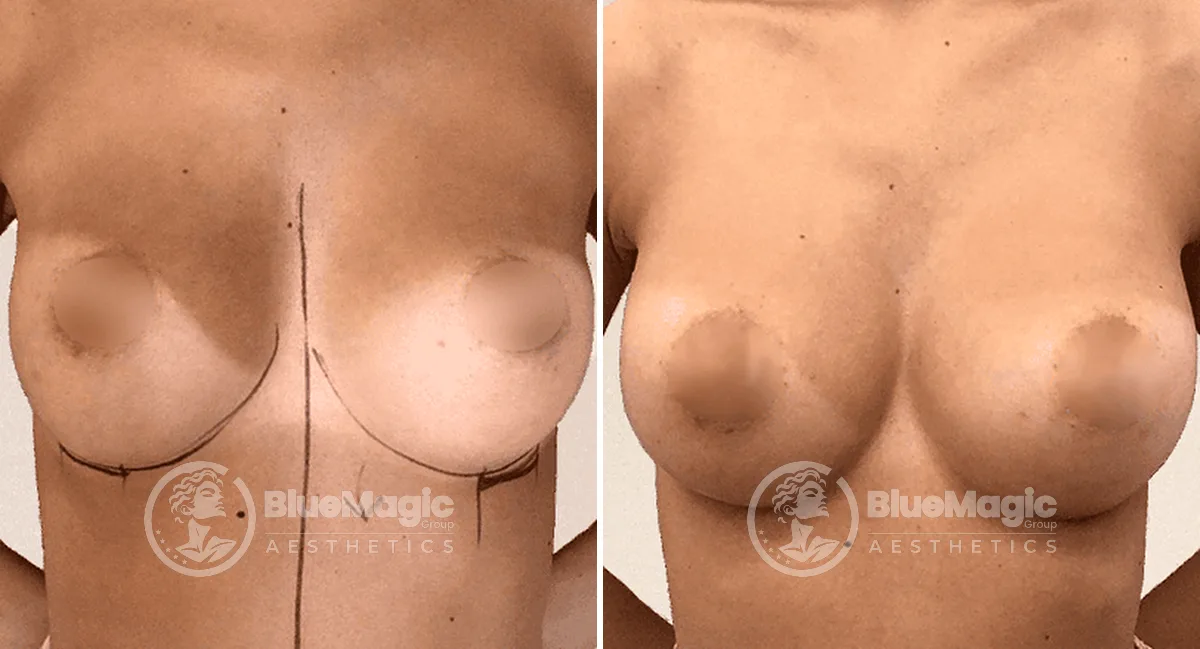
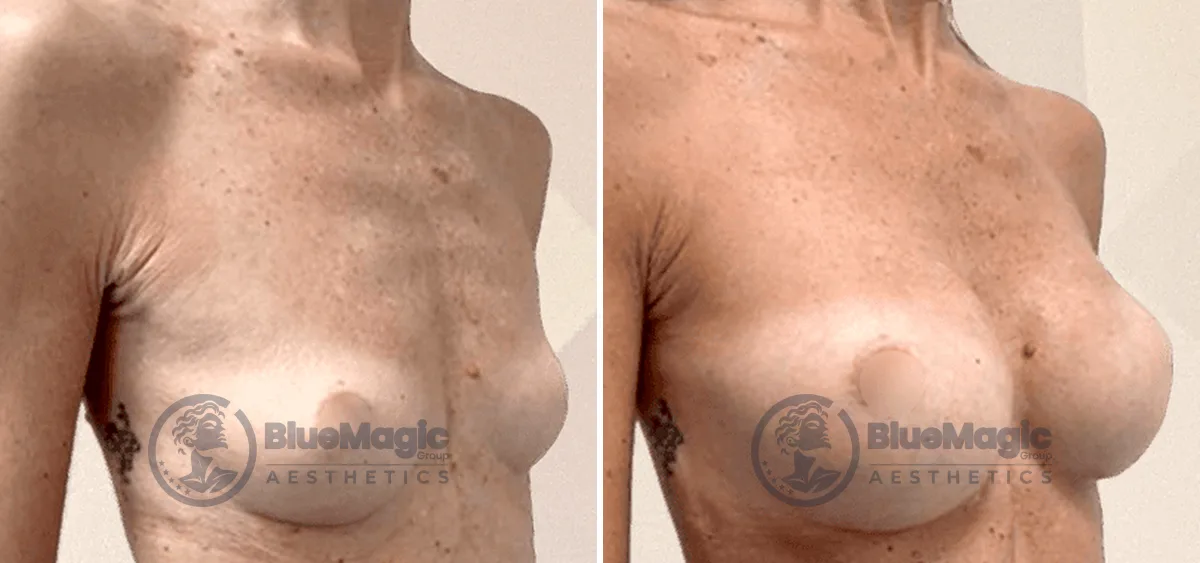
Breast augmentation is an operation that increases the volume of the breasts and improves their projection by placing an implant behind the breast tissue or behind the chest muscle. It is chosen when the breasts are naturally small, uneven, or have lost fullness after pregnancy, breastfeeding or significant weight loss.
The aim is not the largest possible size, but breasts in proportion to your shoulders, chest and hips.
The shape, size and position of the implant are agreed with the plastic surgeon at your consultation, based on your chest measurements, the thickness of your skin and tissue, and what you would like.
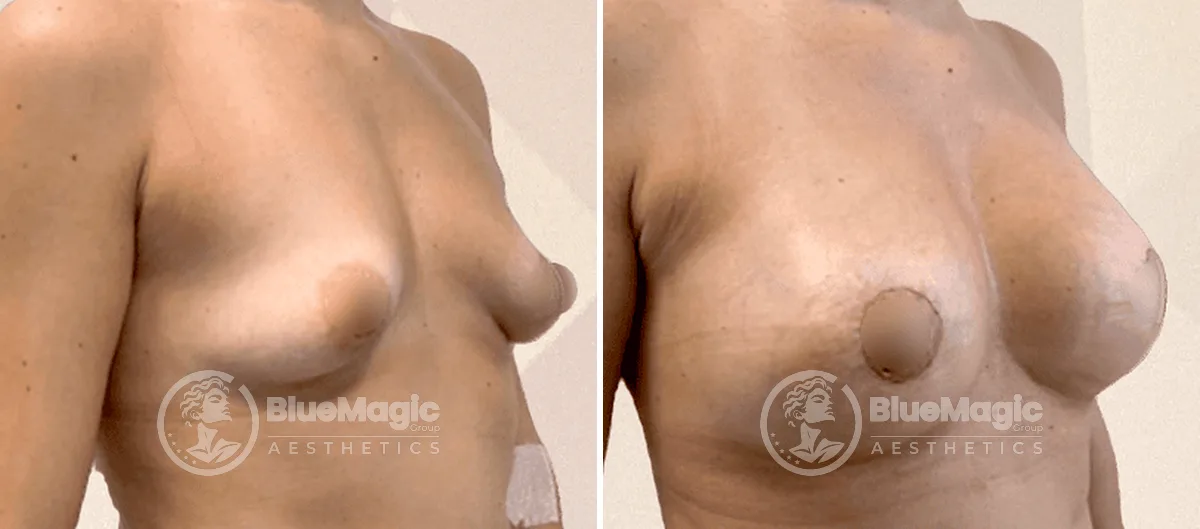
If your breasts have also dropped, an implant on its own is often not enough. In that case the surgeon may suggest augmentation with a round block technique for mild cases, or a breast lift with implants, which has its own page.
Options to decide with your surgeon
Breast augmentation
Two implants are placed to increase volume and projection. About 1.5 hours of surgery and 1 night in hospital.
Breast augmentation with round block
A circular incision around the areola is added to the implant, which allows the surgeon to reduce the areola’s diameter and lift the areola and nipple slightly. It is designed for mildly drooping breasts or large areolas.
Implant position
In front of the chest muscle, under the breast tissue, or behind the muscle, fully or partly, as in the dual plane technique. The choice depends mainly on the thickness of your tissue.
Implant shape
Round or anatomical, also called “teardrop”. An anatomical implant tends to give a more gradual profile, a round one more fullness in the upper part of the breast.
How the operation works
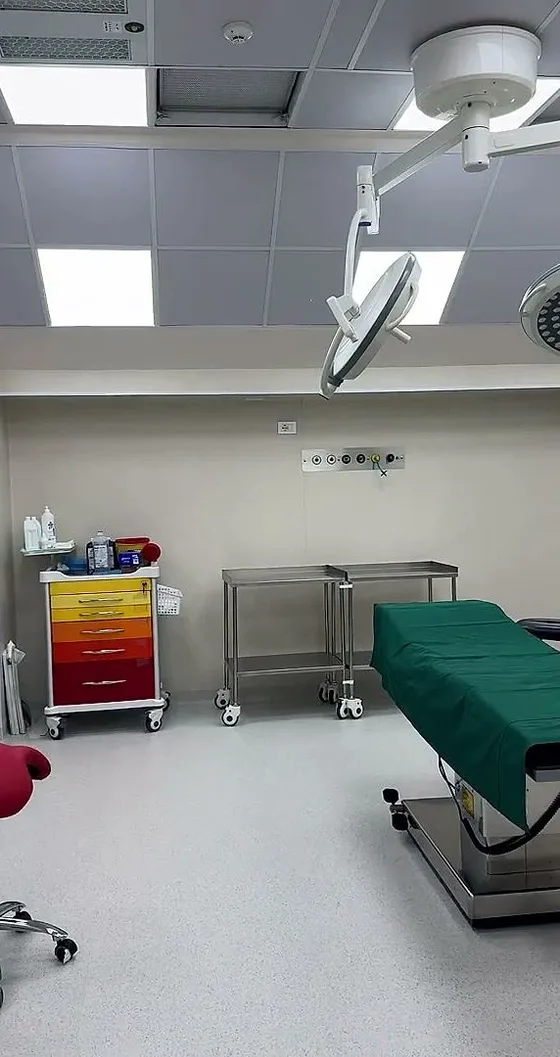
After your pre-operative tests and anaesthetic consultation, the operation is carried out under general anaesthesia and takes about 1.5 hours. The surgeon makes an incision, most often in the crease under the breast, creates the space for the implant and places it, checking the symmetry between the two sides.
Other incision sites, such as around the areola, are considered case by case. At the end of the operation drains may be placed: thin tubes that collect excess fluid and are removed between day 3 and day 7.
Before you decide, ask the surgeon which implant they recommend and why. The type, size and serial number of your implants should stay in your medical records: you will need them for future check-ups.