
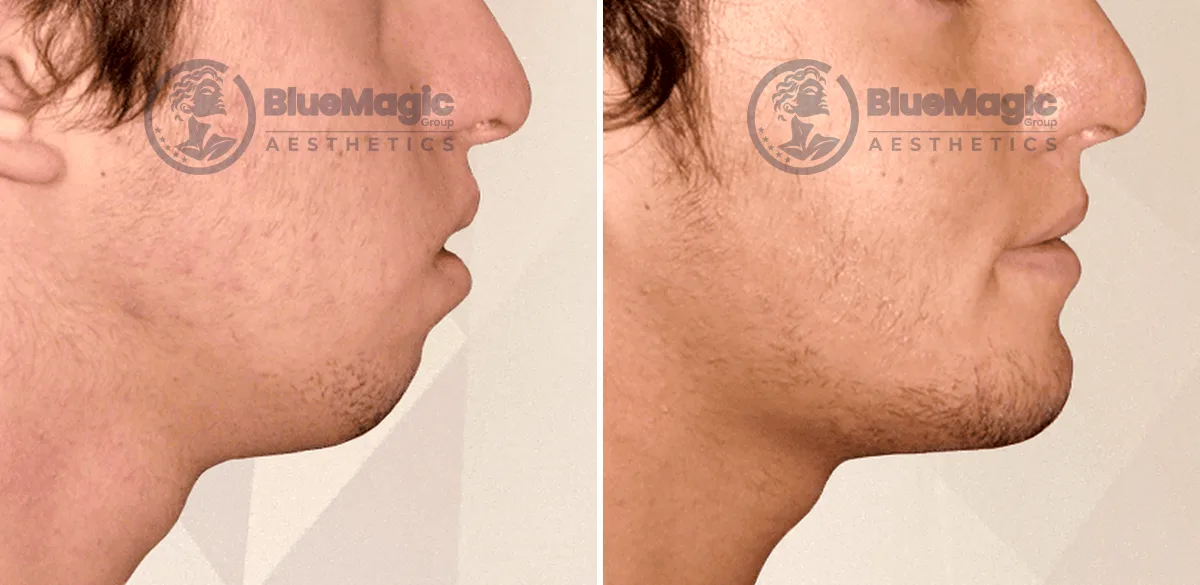
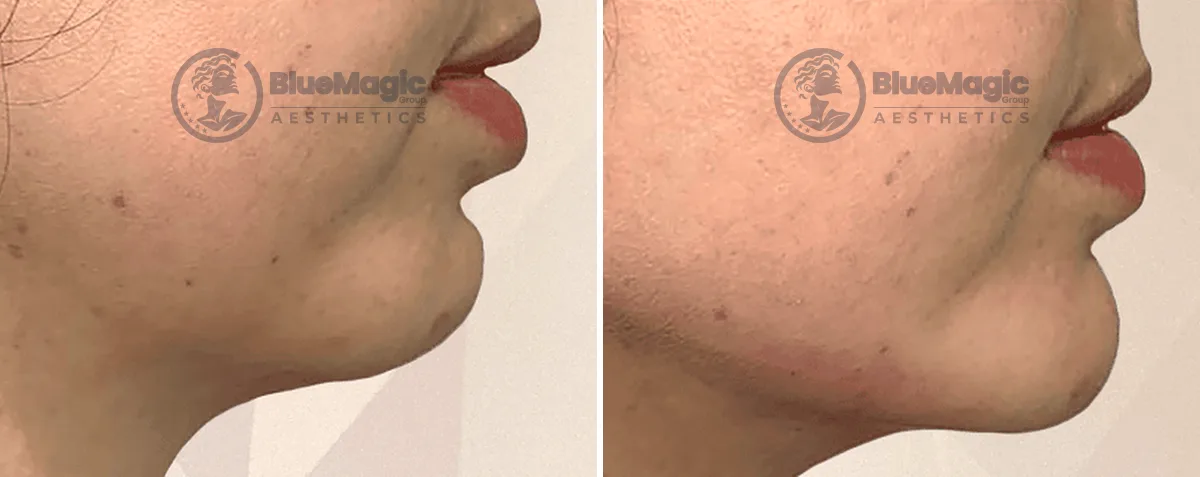
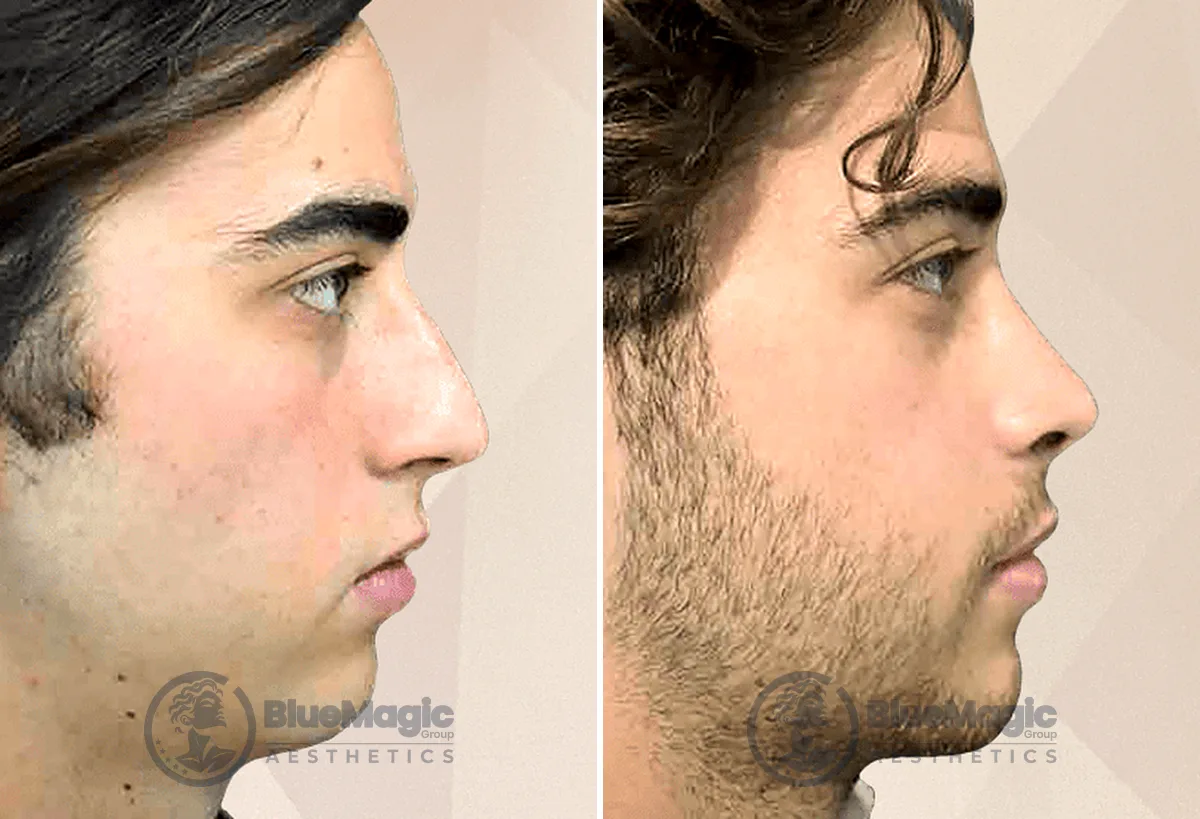
What is chin surgery
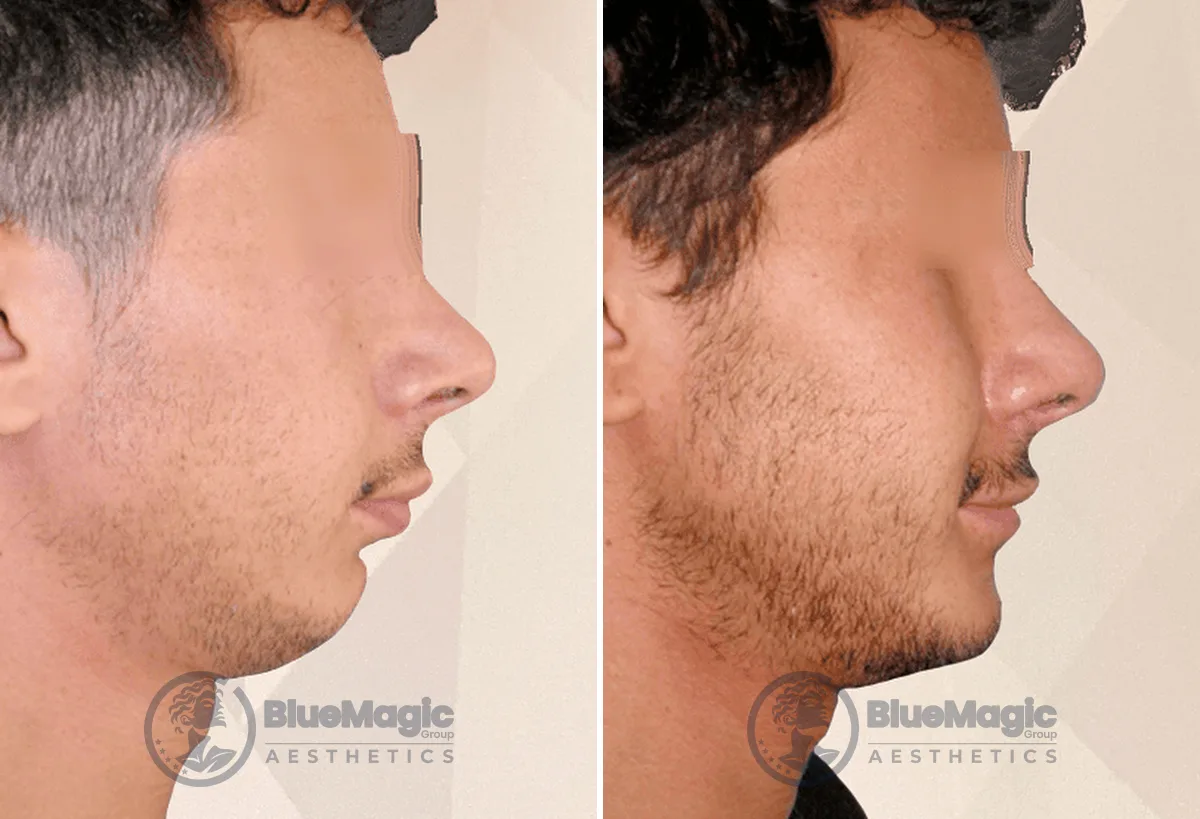
The chin plays an important part in the balance of the face. A chin that sits back makes the nose look bigger and the neck less defined; a chin that is too prominent or long makes the lower third of the face look heavy.
Chin surgery, also called genioplasty or mentoplasty, corrects these proportions.
With an implant, the surgeon places a shaped implant in front of the chin bone to increase its projection. Without an implant, the surgeon works on the tissues and the bone to reshape or reduce the chin.
Chin surgery is often considered together with rhinoplasty, because the nose and chin shape the profile together. It does not correct problems with how your teeth meet, which need an orthodontic and maxillofacial assessment.
The two approaches
Chin augmentation with an implant
A biocompatible implant, chosen for its shape and size, is placed in front of the chin bone to increase its projection. It is the most common option for a receding chin.
Chin surgery without an implant
The surgeon reshapes the chin by working on the bone and the tissues, usually from inside the mouth, to reduce it, shorten it or correct an asymmetry.
How the operation works
At the consultation the surgeon studies your profile, the relationship between your nose, lips and chin, and how your teeth meet. You are told which of the two techniques suits you and, for an implant, which shape and size fit your face.
In chin augmentation with an implant, the implant is inserted through a small incision under the chin or inside the mouth and placed in a pocket created in front of the bone. In chin surgery without an implant, the approach is usually from inside the mouth, so there are no visible scars.
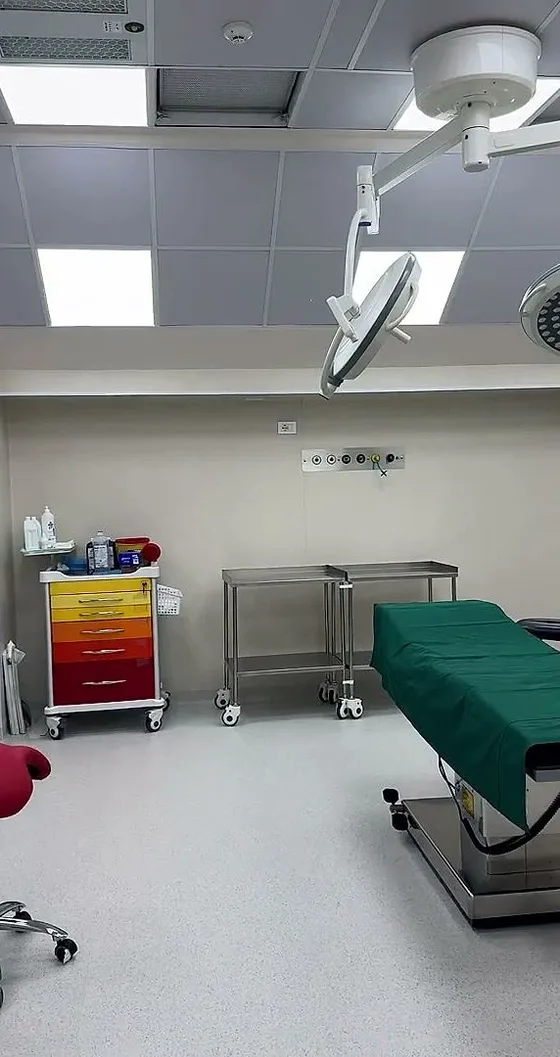
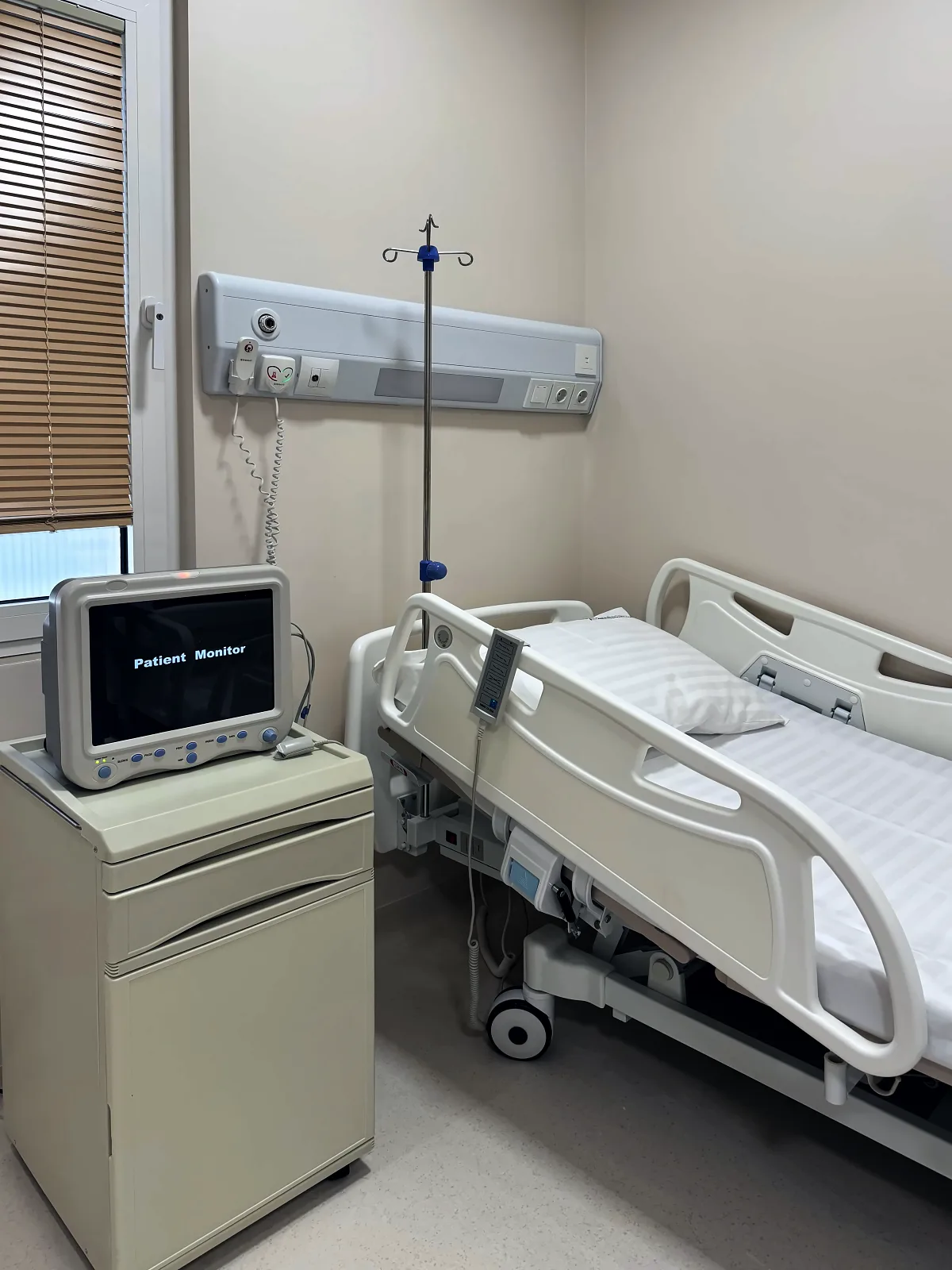
The operation usually takes 1.5 hours. At the end a supportive dressing is applied to the chin and you stay 1 night at our partner hospital La Rinascente.